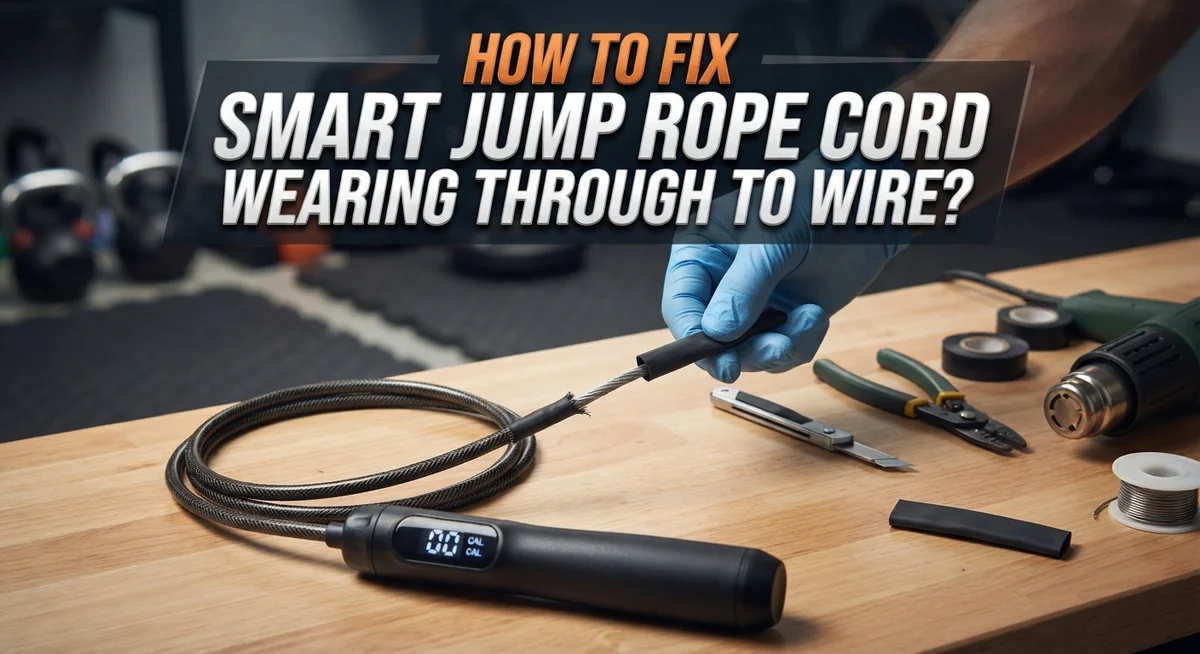
How To Fix Smart Jump Rope Cord Wearing Through To Wire?
Your smart jump rope cord works hard every single day. Over time, that thin cable can wear down. Sometimes it wears through completely, showing the bare wire underneath.
This is a common problem for jump rope fans. The good news? You can fix it. You don’t need to toss your rope and buy a new one right away.
This guide walks you through simple fixes for a worn cord. We cover why cables wear out faster than you think. Thin cords are fragile by nature, and rough handling speeds up the damage.
You’ll learn how to properly coil your cable to prevent future wear. We also share tips on storage, cable rotation speed, and footwork. Small changes in how you jump can make a big difference.
Plus, we explain when it’s time to protect exposed wire. And we’ll tell you when replacement becomes necessary.
By the end, you’ll know exactly how to extend your rope’s life. Let’s get your smart jump rope back in top shape.
In a Nutshell
Here’s the quick fix for your worn jump rope cord:
-
Coil it right. Grip the cable between your thumb and finger. Twist it inward before you put it away. This simple habit stops wire fraying before it starts.
-
Store it smart. Always keep your rope in a small jump rope bag after coiling. Loose storage causes tangles and speeds up wear.
-
Adjust your elbows. Bend your elbows slightly during your workout. This creates extra cable slack and takes pressure off the wire.
-
Slow your rotation. Fast, sloppy spins wear the cable faster. Control your speed for a longer lasting cord.
-
Check your footwork. Sloppy jumps put extra strain on the cable. Clean footwork protects your rope over time.
-
Know when to protect or replace. If wire shows through, use a cable protection kit right away. If the cord feels thin and fragile, it’s time for a replacement.
Follow these steps, and your rope will handle daily workouts without breaking down early.
Why Smart Jump Rope Cords Wear Through to the Wire
Your smart jump rope cord wears through to the wire for several clear reasons. Understanding these causes helps you prevent future damage and keep your rope working longer.
Thinner cords break down faster than thicker ones. Smart jump ropes often use lightweight cables to improve speed and control. This design choice makes them responsive but also more fragile. The thinner material simply cannot handle the same abuse that thicker ropes can withstand.
Wire ropes wear through because of how you store and handle them. Improper coiling creates tight knots and stress points in the cable. When you wrap your rope incorrectly, you bend the internal wires at sharp angles. This bending weakens the protective coating over time. Eventually, that coating cracks and exposes the bare wire underneath.
Excessive rotation speed accelerates wear significantly. When you spin your rope too fast, the cable experiences more friction against the handles and your body. Faster speeds also mean less control. Sloppy jumps create jerky movements that stress the cord in unpredictable ways.
Your jumping technique matters too. Poor footwork forces the cable to work harder than it should. Uneven jumps and dragging feet create constant tension on weak spots in the cord.
Environmental factors play a role as well. Storing your rope in damp conditions or leaving it coiled in direct sunlight damages the protective coating. Heat and moisture break down the outer layer that shields the internal wires.
Beginners often use wire ropes before they develop proper technique. This combination creates excessive wear. New jumpers tend to rotate faster, jump unevenly, and store their equipment carelessly.
The good news is that most wear through issues are preventable. By adjusting your habits and storage methods, you can dramatically extend your rope’s life. Proper technique and careful handling stop the cord from reaching the wire stage in the first place.
Signs Your Cord Needs Attention Before It Fails
Your smart jump rope cord sends you warning signs before it completely fails. Learning to spot these signals helps you fix problems early and avoid mid workout breakdowns.
Look for visible fraying on the outer coating. When you see fuzzy strands or loose fibers along the cable, the protective layer is breaking down. This happens gradually, so check your rope weekly during storage.
Feel the cable texture while holding it. A healthy cord feels smooth and uniform. If you notice rough patches, thin spots, or areas that feel different from the rest, wear is progressing. Run your fingers along the entire length to catch problem zones early.
Watch for exposed wire showing through. This is your most urgent sign. Even small silver strands peeking through the coating mean the protective layer has failed. Once wire exposure starts, damage accelerates quickly.
Pay attention to performance changes. If your rope feels less responsive or the cable seems to catch during spins, internal damage may be happening. The cord might still look fine on the outside while deteriorating inside.
Check for color changes in the cable coating. Fading, discoloration, or dark spots indicate stress or material breakdown. These visual cues appear before actual holes or tears form.
Listen during use. A healthy rope makes consistent swishing sounds. Crackling, popping, or unusual noises suggest internal wire fraying or coating separation.
Inspect storage areas. If your rope sits in damp spaces, gets tangled frequently, or experiences temperature swings, damage happens faster. These environmental stressors cause the coating to weaken.
Catching these signs early gives you time to adjust your technique, improve storage habits, or apply protective measures. Most wear through problems announce themselves before complete failure occurs. Stay alert and your rope will last much longer.
Step-by-Step: Fixing a Worn or Exposed Cord
When your smart jump rope cord shows wear, taking action quickly stops the problem from getting worse. Start by stopping use immediately if you see exposed wire. Continued jumping on damaged cord risks injury and ruins the rope completely.
Clean the damaged area first. Wipe away dirt and sweat with a dry cloth. This lets you see exactly where the wire shows through. Inspect the entire cord length to find all problem spots, not just the obvious one.
Wrap the exposed section carefully. Use athletic tape or similar protective wrapping material. Wrap it tightly around the damaged area, covering at least one inch on each side of the wear spot. Make sure the wrapping doesn’t create lumps that catch your hands during jumping.
Test the wrapping before full use. Do slow, gentle rotations to check that your wrapping stays tight. Jump slowly for one minute to see if the tape holds. If it shifts or loosens, rewrap it more securely.
Apply a cable protection solution. Bare cable protection kits provide a more permanent fix than tape alone. These products seal and protect exposed wire from further damage. Follow the application instructions on the product guidance carefully.
Adjust your technique going forward. Slow your rotation speed significantly. Fast spinning puts extra stress on the already weakened area. Bend your elbows more to reduce cable tension during use.
Monitor the repair closely. Check the wrapped area every few days. If the damage spreads or the wrapping fails, replacement becomes your only option. Most smart jump ropes last longer when you catch wear early and act quickly.
Remember that temporary fixes buy you time. Plan to replace your rope soon if the damage is extensive or if the wrapping fails repeatedly.
Proper Coiling and Storage Techniques to Prevent Damage
Proper coiling and storage make a huge difference in how long your smart jump rope lasts. When you store your rope incorrectly, the cord experiences constant stress even when you’re not using it.
Start by coiling your cable the right way. Hold the rope between your thumb and index finger. Twist the cable inward before you wrap it into loops. This method keeps tension even throughout the cord. Avoid creating tight knots or sharp bends that concentrate stress in one spot.
Make the loops about the size of a dinner plate. This size prevents the cable from creasing or kinking. Smaller loops create pressure points where the cord wears faster. Larger loops take up more space but protect your cable better.
Store your coiled rope in a small jump rope bag after you finish each session. A dedicated bag keeps your cord away from sharp objects, extreme temperatures, and moisture. These environmental factors speed up cable degradation significantly.
Keep your rope in a cool, dry location. Heat and humidity weaken the outer coating faster. Avoid leaving your rope in direct sunlight or in damp areas like bathrooms.
Adjust your elbow bend to create cable slack during use. When you bend your elbows more, you reduce the effective length your cable needs to cover. This simple adjustment lowers the overall tension on your cord. Less tension means slower wear progression over time.
Check your storage setup regularly. Make sure nothing sharp presses against your coiled rope. Look for signs that your bag or storage location might be damaging the cord.
These storage habits work together with proper technique to extend your rope’s life significantly. Consistent, careful storage prevents most wear through problems before they start. You’ll notice your rope stays in better condition when you combine good coiling methods with appropriate storage spaces and regular inspections.
Adjusting Technique: Elbow Bend, Footwork, and Rotation Speed
Your elbow bend directly affects how much stress your cord experiences during rotation. When you keep your elbows locked straight, the cable must travel a longer distance with each spin. This creates unnecessary tension and accelerates wear. Bend your elbows to about 90 degrees to shorten the rotation radius. This simple adjustment reduces the load on your cord significantly.
Your footwork matters more than most people realize. When your feet land inconsistently, your body compensates by rotating faster or harder. This extra effort transfers directly to your cord. Keep your feet together and land softly on the balls of your feet. Consistent, light landings mean your cord experiences steady, predictable stress instead of sudden jerks.
Rotation speed is the biggest factor in cord wear. Faster spins mean the cable flexes more times per minute. Each flex creates tiny stress points that eventually become fraying. Slow your rotation speed intentionally. If you normally jump at a fast pace, reduce your speed by about 30 percent. Your cord will thank you, and you’ll still get an excellent workout.
These three adjustments work together to reduce wear. Your bent elbows create slack in the cable. Your controlled footwork prevents sudden jerks. Your slower rotation speed gives the cord time to recover between movements.
Start by focusing on one adjustment at a time. Practice your new elbow bend for several sessions. Then add consistent footwork. Finally, dial back your rotation speed. Once these changes become automatic, your cord experiences dramatically less stress.
Monitor your cord during this adjustment period. You should notice less fraying and smoother rotations. If wear continues, your storage habits or an existing problem may be the culprit. Combine these technique changes with proper coiling and storage for maximum cord longevity.
Common Mistakes That Speed Up Cord Wear
Many people damage their smart jump rope cords through habits they don’t realize are harmful. Understanding these mistakes helps you protect your investment and keep your rope working longer.
Improper coiling and storage cause the most damage. Many users wrap their rope tightly around their hand or arm right after jumping. This traps heat and moisture inside the coil, which breaks down the cord material. Instead, grip the cable between your thumb and index finger, then twist it inward before storing it. This loose coiling method lets air circulate and prevents moisture buildup.
Storing your rope in the wrong place speeds up wear significantly. Leaving it in gym bags, damp areas, or direct sunlight accelerates cord deterioration. The cord becomes brittle and fragile much faster. Always store your rope in a small jump rope bag in a cool, dry location away from extreme temperatures.
Excessive rotation speed is another major culprit. Beginners often spin their ropes as fast as possible, thinking this improves their workout. High speed creates enormous tension on the cord, causing it to fray and wear through more quickly. Slower, controlled rotations actually challenge your coordination better and protect your equipment.
Using wire ropes before you’re ready also causes premature wear. Beginners lack the muscle control needed to handle wire ropes smoothly. These ropes move faster and demand precise technique. Starting with a standard cord and progressing to wire ropes gives your technique time to develop properly.
Poor footwork creates uneven strain on your cord. Jumping too high or landing heavily forces your rope to work harder. Landing softly with bent knees distributes the workload evenly across your entire cord.
Finally, ignoring early warning signs lets small problems become major ones. Catching fraying or color changes early gives you time to adjust before complete failure occurs.
Troubleshooting Persistent Wear Issues
When your smart jump rope cord starts showing wear, persistent problems often mean you need to dig deeper into what’s causing the damage. The issue rarely stops on its own, so taking action now prevents complete cord failure.
First, examine where the wear happens most. Does it fray at one specific spot? Does the damage spread along the entire length? Location tells you whether the problem comes from your technique, storage, or environmental factors. Wire exposure in one area suggests localized stress during rotation.
Check your jumping surface next. Hard concrete or rough asphalt accelerates wear faster than rubber gym flooring or wooden surfaces. If you jump on harsh surfaces regularly, the cord takes repeated micro impacts that compound over time. Consider switching to softer surfaces when possible.
Your grip pressure matters too. Holding the handles too tightly forces unnecessary tension into the cable. Relax your grip and let the rope do the work. Tight gripping also makes you rotate faster without realizing it, which increases wear exponentially.
Humidity and temperature affect cord durability more than people expect. Storing your rope in damp basements or hot garages speeds deterioration. Keep your rope in a cool, dry space away from direct sunlight and moisture. These environmental factors weaken the outer coating that protects the inner wire.
Monitor the thinning process closely. As the cord gets thinner, it becomes more fragile and prone to sudden failure. When you notice the outer layer has worn significantly and wire starts showing through multiple spots, replacement becomes necessary soon.
Finally, practice slower rotations consistently. Speed creates the most wear because faster rotation increases impact force on every jump. Reducing your speed by even 20 percent can extend your cord’s life substantially. This single change often stops persistent wear problems from getting worse.
Final Thoughts
Fixing a worn smart jump rope cord comes down to catching the problem early. Small changes in how you store, coil, and use your rope make a big difference over time.
You don’t need to overhaul everything at once. Pick one habit to fix first, then build from there.
Proper coiling and storage should be your starting point. This single change prevents a huge amount of unnecessary wear.
Next, look at your technique. Your elbow bend, footwork, and rotation speed all affect how much stress your cord takes on. Slower rotations always mean less friction and less heat.
If you already see thin spots or exposed wire, act quickly. A cable protection kit can shield the damaged area and buy you more time before replacement.
Remember that wire ropes wear faster under improper use. If you’re still building skill, a thicker rope gives you more control and less frustration.
Pay attention to where the wear happens. This tells you what’s causing it. Wear near the handles often points to grip issues. Wear in the middle usually means surface or speed problems.
Environment plays a role too. Heat, humidity, and rough jumping surfaces all speed up damage. Small adjustments to your training space help protect your cord long term.
Consistency matters more than perfection. You don’t need flawless technique overnight. Steady, mindful practice keeps your cord in better shape for longer.
Think of this as ongoing maintenance, not a one time fix. Check your rope regularly, adjust habits as needed, and replace the cord once it becomes too thin or frayed.
With the right storage, smoother technique, and quick action on early wear, your smart jump rope cord can last much longer than you expect.
Frequently Asked Questions
Why is my smart jump rope cord wearing through to the wire?
Your cord wears through for several reasons. Improper storage and coiling damage the cable faster than anything else. If you wrap your rope tightly without slack, the fibers break down over time. Excessive rotation speed also accelerates wear significantly. Fast spinning creates more friction and stress on the cord material.
Your jumping surface matters too. Hard concrete wears cords faster than softer surfaces. Even your grip pressure affects durability. Squeezing too hard during jumps strains the cable unnecessarily.
How do I coil my jump rope correctly to prevent wear?
Grip the cable between your thumb and index finger. Twist the rope inward as you coil it into loops. This method keeps the cable relaxed and prevents kinks. Store your coiled rope in a small jump rope bag afterward.
Never wrap the cord tightly around the handles. This creates pressure points where the cable breaks down faster. A loose, properly twisted coil protects the fibers inside.
What should I do if the wire is already exposed?
Stop using the rope immediately if you see bare wire. Exposed wire means the protective coating has failed completely. You can use cable protection kits to cover the bare wire temporarily while you decide whether to replace the cord.
However, exposed wire indicates serious damage. The cord has lost most of its strength at this point. Replacement is usually the safest option to avoid the cable snapping during use.
Can I extend my cord’s life once it starts thinning?
Yes, but act quickly. Slow down your rotation speed right away. Bend your elbows more to reduce tension on the cable. These adjustments give your cord relief from constant strain.
Monitor the thinning closely over the next few weeks. If it stops spreading, your adjustments are working. If thinning continues, replacement becomes necessary soon.

Hi, I’m Pearl Standen, the voice behind The Web Utility. I’m a passionate tech enthusiast who loves exploring the latest gadgets, smart devices, and electronics that make everyday life easier. Through my website, I share honest, well-researched reviews of trending Amazon products to help you make smarter buying decisions.